Published: 2024-05-15 · 6 min read
The Biological Blueprint of Coffee
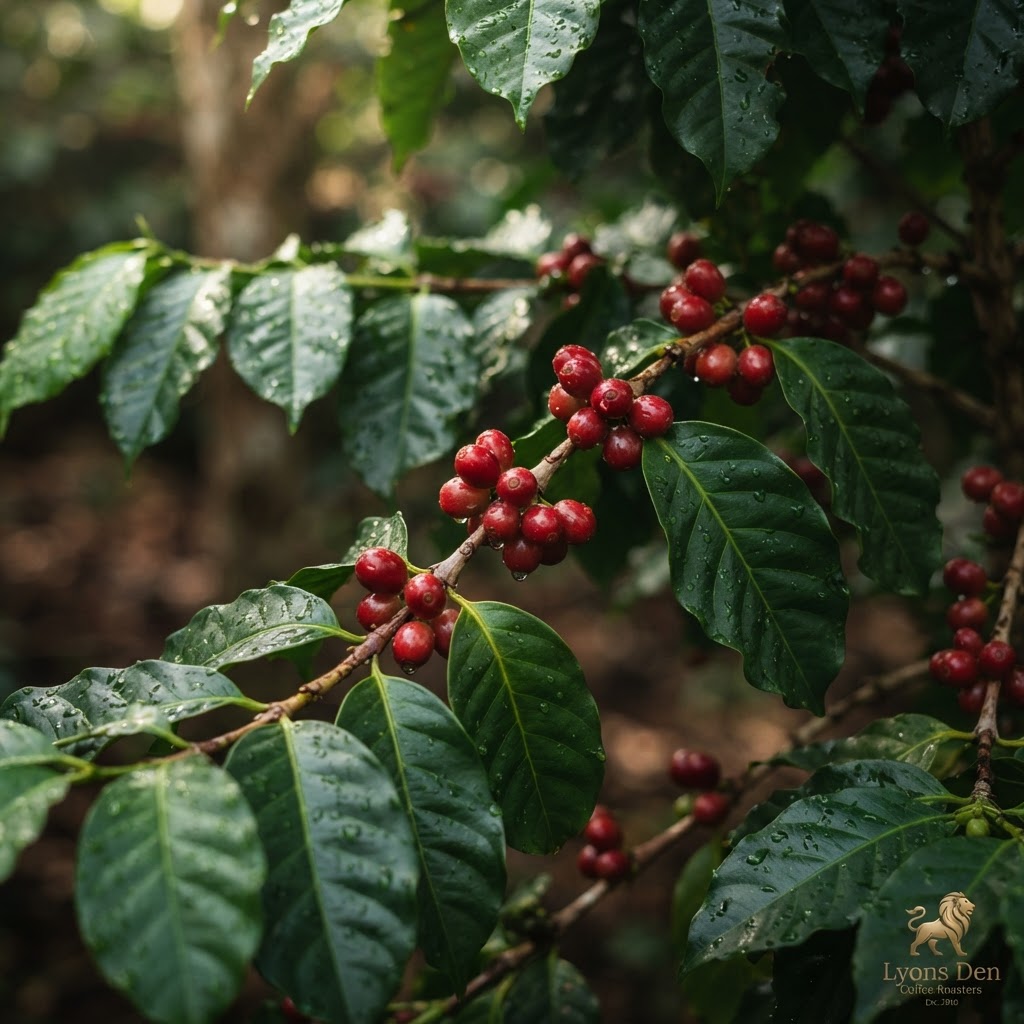
When you hold a bag of beans, you are looking at the final stage of a massive biological puzzle. To truly appreciate what is in your cup, we must look backward from the roast to the roots. Taxonomy is the systematic filing cabinet of nature, and for coffee, it provides the roadmap that farmers and researchers use to ensure the future of the crop.
In my book, The Complete World of Coffee, I emphasize that understanding these scientific foundations is not just for botanists. When we discuss specialty coffee, we are essentially celebrating the culmination of specific genetic traits. Modern classification relies on the Angiosperm Phylogeny Group system, which organizes plants based on DNA rather than just physical appearance. Coffee starts its journey in the kingdom Plantae, flowing through the order Gentianales and the family Rubiaceae, eventually arriving at the genus Coffea.
From Genus to Variety
While the broader categories are fascinating for science, the tiers that matter most at the coffee bar are the species and the variety. Think of the genus as the family surname, the species as the sibling, and the variety as the individual personality. This hierarchy is how we distinguish the delicate nuances found in different Ethiopian coffee origins compared to their counterparts elsewhere.
Agronomists use this classification to track wild genetic libraries. By identifying specific traits within the genus Coffea, they can breed plants that are more resistant to disease or capable of thriving in changing climates. This science directly impacts the quality of your history of coffee experience, as better plant health usually results in a more complex, vibrant flavor profile.
☕ Coffee Fact
Coffee is a member of the Rubiaceae family, which contains over 13,000 species, including plants that produce quinine—the bitter ingredient in tonic water.
Why Classification Matters
Why should a coffee lover care about botanical names? Because taxonomy predicts chemistry. By knowing the precise variety, a roaster can anticipate how the beans will react to heat, helping them highlight sweetness or acidity. It is a bridge between the farm and the final history of coffee brewing.
| Taxonomic Rank | Example |
|---|---|
| Family | Rubiaceae |
| Genus | Coffea |
| Species | Arabica / Canephora |
| Variety | Typica / Bourbon |
🔬 Science Insight
The World Coffee Research organization maintains a comprehensive genetic database to ensure that coffee varieties are correctly identified, preventing the spread of mislabeled, low-quality crops.
FAQ
Is all coffee the same species?
No. While most specialty coffee is Coffea arabica, there is also Coffea canephora (commonly known as Robusta), which is genetically distinct and generally heartier but often perceived as having a different flavor profile.
How does taxonomy help with plant disease?
By understanding the genetic makeup of different varieties, researchers can cross-breed plants to create hybrids that maintain high cup quality while gaining resistance to threats like Coffee Leaf Rust.
Where can I learn more about these classifications?
The Royal Botanic Gardens, Kew provides extensive data on the diversity of the Coffea genus, acting as a steward for wild coffee species.
Key Takeaways
- Taxonomy provides the scientific structure for organizing the thousands of coffee plants found globally.
- Species and varieties are the most relevant levels of classification for consumers to understand potential flavor.
- Genetic tracking allows agronomists to protect coffee against climate change and agricultural diseases.
- Botany informs roasting by helping professionals predict how a specific variety will develop its unique chemical compounds.
Conclusion
The next time you enjoy your morning brew, remember that the quality in your cup is the result of centuries of botanical exploration and careful cultivation. Understanding these scientific roots makes every sip a little more meaningful.
Continue Exploring Coffee
If you enjoyed this article, you’ll find hundreds more pages covering coffee history, brewing science, roasting, processing, sustainability, and specialty coffee inside The Complete World of Coffee.
About Keith E. Lyons
Keith E. Lyons is the author of The Complete World of Coffee, an in-depth guide covering coffee history, science, roasting, brewing, processing, sustainability, and specialty coffee.
Join the Coffee Newsletter
Receive new coffee history articles, brewing guides, book updates, and specialty coffee insights delivered to your inbox.