Published: 2024-05-15 · 6 min read
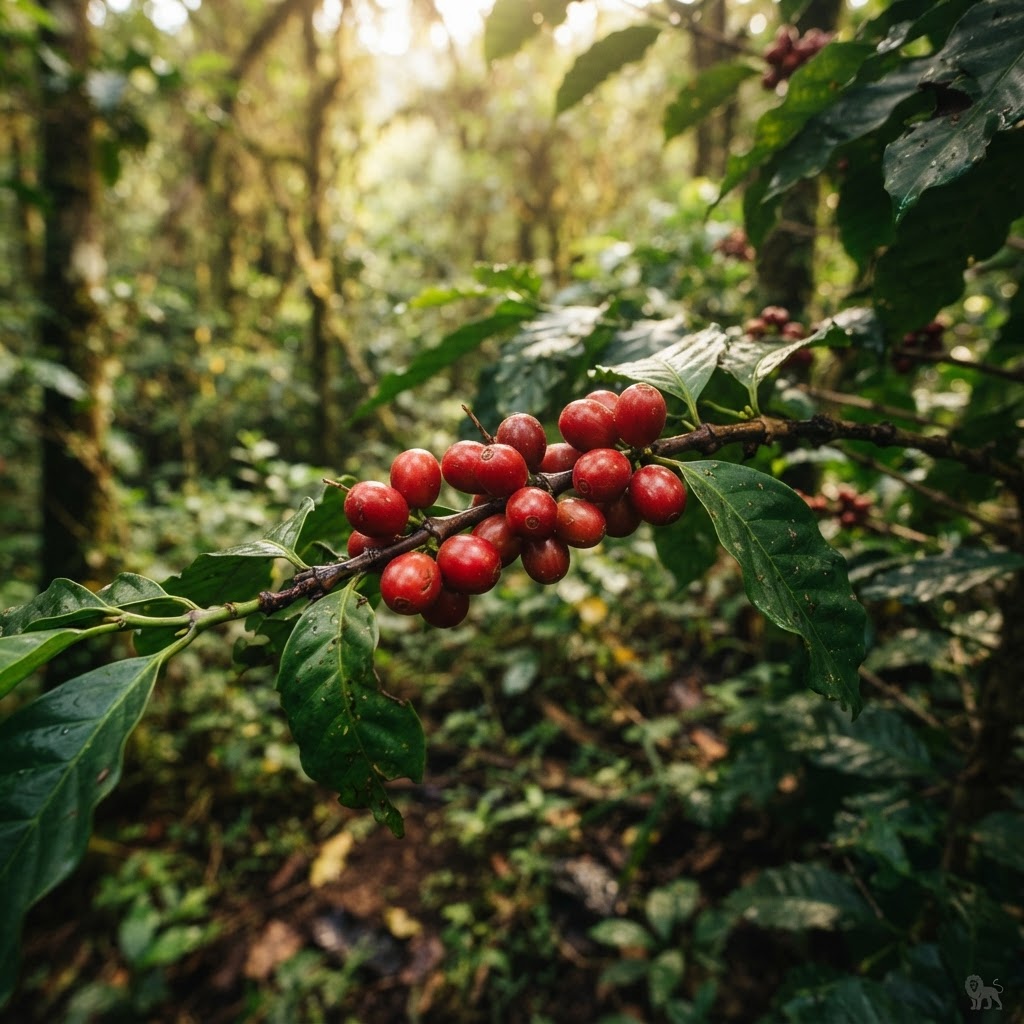
When you brew your morning cup, you are participating in a story that spans centuries and continents. While coffee houses exist in every major city today, the true origin of the drink remains fixed in the wild, misty forests of Ethiopia. This is where Coffea arabica, the species responsible for our favorite specialty coffees, first emerged and thrived.
Understanding coffee begins here. By looking at Ethiopia, we can see how a wild plant became the foundation of a massive global culture. My book, The Complete World of Coffee, covers these origins in significant detail, but let us look at the fundamental elements that make this region so vital to every coffee lover.
The Genetic Reservoir of Arabica
Ethiopia holds the most impressive genetic diversity of Arabica coffee on the planet. Unlike many commercial crops that rely on a narrow genetic base, the forests here are home to countless heirloom varieties. This variety is not just a curiosity for botanists; it is a critical resource for the future of the industry.
☕ Coffee Fact
Genetic research suggests that Arabica likely emerged as a natural hybrid in parts of South Sudan and neighboring Ethiopian regions, spreading outward to become the world’s most cherished coffee species.
Why does diversity matter? As climate change alters growing conditions, the wild forests of Ethiopia act as a natural laboratory. These plants hold the keys to disease resistance and climate adaptability that could ensure coffee survives for future generations. Scientists at the Royal Botanic Gardens, Kew, have long highlighted the importance of protecting these wild habitats to maintain the viability of coffee as a crop.
From Forest to Cup
Coffee was not always the tidy, uniform bean we see in bags today. In the Ethiopian highlands, coffee grew—and still grows—wild. It was consumed as a local resource long before it became a commodity. The transition from a wild shrub to a cultivated plant allowed for the refinement of flavors we now associate with specialty coffee, such as bright acidity and floral aromas.
| Feature | Wild Ethiopian Arabica | Commercial Varieties |
|---|---|---|
| Genetic Diversity | Extremely High | Low to Moderate |
| Resilience | Naturally Adaptive | Requires Careful Management |
| Flavor Profile | Complex, Floral, Fruity | Consistent, Balanced |
A Cultural and Spiritual Legacy
In Ethiopia, coffee is much more than a jolt of caffeine to start your workday. It is the center of a social ritual and a deeply rooted spiritual tradition. For centuries, the preparation and consumption of coffee have functioned as a way to build community and pause from the demands of daily life.
📜 History Note
The traditional coffee ceremony in Ethiopia is a social cornerstone, where roasting, grinding, and brewing are performed in the company of friends and family to foster connection.
This history reminds us that coffee is essentially an agricultural product that relies on human touch. When we talk about extraction—the process of pulling solubles from the grounds using hot water—we are really finishing a process that started with a seed in an Ethiopian forest.
FAQ
Is all specialty coffee from Ethiopia?
No, specialty coffee is grown globally. However, because Ethiopia is the birthplace of Coffea arabica, the unique varieties found there often set the standard for quality and flavor complexity in the specialty industry.
Why is genetic diversity important for coffee?
Genetic diversity allows coffee plants to better resist pests and changing climate conditions. It is the primary way we can protect the future of coffee against threats like coffee leaf rust.
What makes Ethiopian coffee taste so different?
The high elevation and the vast number of heirloom varieties produce coffee that is often noted for distinct citrus, berry, and floral notes, which are very different from the earthier profiles found in other regions.
Key Takeaways
- Ethiopia is the genetic home of all Arabica coffee species.
- Wild forests serve as an essential gene bank for the future of the coffee industry.
- Cultural rituals in Ethiopia define coffee as a social and spiritual connector, not just a product.
- Natural hybrids from the Ethiopia-South Sudan border are the ancestors of modern specialty coffee.
Conclusion
The next time you enjoy a bright, aromatic cup, remember that its lineage traces back to the wild highlands of Ethiopia. By understanding this history, we gain a deeper appreciation for the work that goes into every bean and the vital importance of preserving the natural habitats where it all began.
Continue Exploring Coffee
If you enjoyed this article, you’ll find hundreds more pages covering coffee history, brewing science, roasting, processing, sustainability, and specialty coffee inside The Complete World of Coffee.
About Keith E. Lyons
Keith E. Lyons is the author of The Complete World of Coffee, an in-depth guide covering coffee history, science, roasting, brewing, processing, sustainability, and specialty coffee.
Join the Coffee Newsletter
Receive new coffee history articles, brewing guides, book updates, and specialty coffee insights delivered to your inbox.