Published: 2023-11-15 · 6 min read
The Ethiopian Highlands: Where It All Began
Every great story has a beginning, and in the case of coffee, that story finds its roots in the lush, green highlands of Ethiopia. Long before coffee became a global commodity, it was a wild plant growing in the forest shade. The history of coffee is tied to the landscape, the climate, and a bit of serendipity.
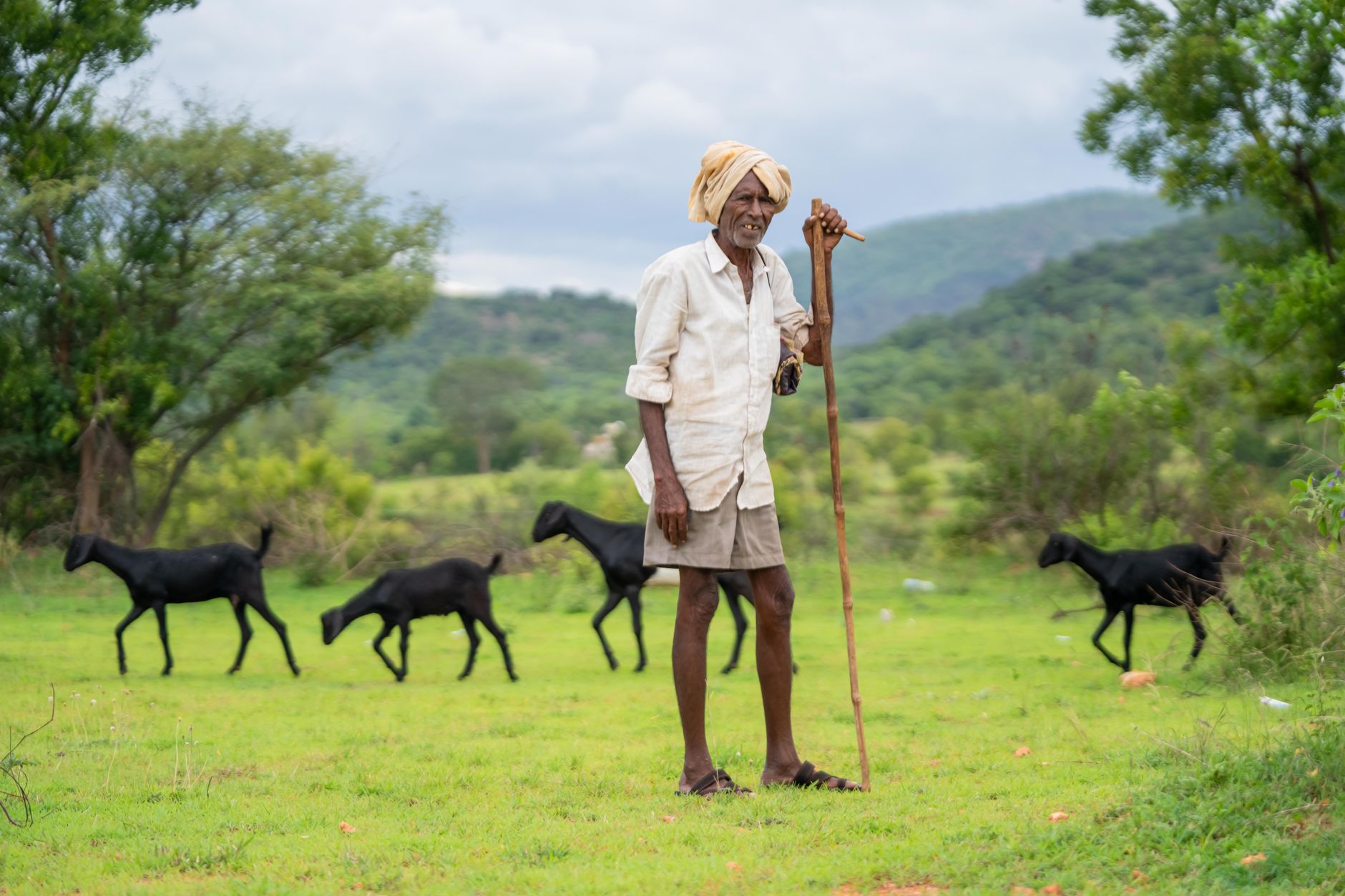
While we often think of coffee as a modern necessity, its journey to our cups is ancient. The most famous account of this discovery is the legend of Kaldi, a goat herder who spent his days tending his flock in the rugged Ethiopian terrain. It is a tale that has been passed down through generations, bridging the gap between historical fact and cultural folklore.
The Legend of Kaldi and His Energetic Goats
The story goes that Kaldi noticed his goats behaving in an unusual way. Instead of their typical, docile afternoon grazing, the animals were leaping, dancing, and bleating with high energy. Curious about the cause of this sudden burst of vitality, Kaldi followed them and observed them nibbling on the bright red cherries of a nearby shrub.
Intrigued, Kaldi tried the fruit himself. Soon enough, he felt a strange, new sensation of alertness. He brought the berries to a local monastery, sharing his discovery with the monks. While some were skeptical, others eventually realized that these cherries—or rather, the seeds inside—offered a way to stay awake during long hours of prayer and meditation.
📜 History Note
Though the story of Kaldi is a legend, it highlights the observation of the stimulating effects of caffeine, the alkaloid responsible for the alertness we enjoy in our morning brew today.
From Wild Berries to Global Cultivation
Whether or not Kaldi exists as a historical individual, the core of the story is scientifically grounded. The coffee plant, Coffea arabica, is native to Ethiopia. Local communities had long understood the power of the plant, often consuming the fruit in ways different from how we roast and brew the seeds today. You can learn more about how the Coffea genus spread across the globe in my book, The Complete World of Coffee.
As people recognized the potential of these cherries, the plant was moved from the forest into controlled cultivation. This shift allowed for the expansion of coffee from Ethiopia to Yemen and eventually across the world. The transition from wild collection to organized agriculture was the first major turning point in the history of coffee.
☕ Coffee Fact
The coffee plant is an evergreen shrub that thrives at high altitudes, where the cooler temperatures allow the coffee cherries to ripen more slowly, often leading to a more complex flavor profile.
The Science of the Cherry
To understand why those goats were so excited, we have to look at the fruit. The coffee cherry contains two seeds, which we call beans. These seeds contain caffeine, a natural pesticide for the plant that also acts as a stimulant for humans. When we roast these seeds, we trigger a series of chemical reactions, most notably the Maillard reaction, which develops the flavor compounds we associate with a great cup of coffee.
| Element | Impact on Coffee |
|---|---|
| Altitude | Higher growth slows maturation, increasing density and acidity. |
| Variety | Genetic factors dictate potential flavor and disease resistance. |
| Processing | Method (Natural vs. Washed) changes how the sugars in the fruit affect the bean. |
FAQ
Was Kaldi a real person?
Kaldi is widely considered a legendary figure. While his story illustrates the discovery of coffee, there is no verified historical record of an individual goat herder by that name.
Did coffee start in Ethiopia or Yemen?
While the coffee plant originated in Ethiopia, the systematic cultivation and social consumption of coffee as a brewed beverage gained global momentum through its early adoption in Yemen.
Why did the monks use coffee?
The story suggests that the monks used the infusion made from the coffee cherries to maintain their alertness during extended periods of nocturnal prayer.
Key Takeaways
- Origins: Coffee is indigenous to the highlands of Ethiopia, where it grew as a wild plant.
- The Legend: The story of Kaldi serves as a cultural origin narrative for the discovery of the plant’s stimulating effects.
- Cultivation: The transition from wild foraging to cultivation allowed coffee to spread from Ethiopia to Yemen and beyond.
- Biology: The stimulating properties observed in the legend come from caffeine found naturally in the coffee seed.
Conclusion
The legend of Kaldi reminds us that our daily ritual has deep, ancient roots. Whether the story is literal history or a charming myth, it points to a very real truth: the coffee plant has held a special place in human life for centuries, constantly evolving from a wild forest shrub into the diverse specialty coffee market we explore today. For a deeper dive into these origins and the centuries of history that followed, be sure to read The Complete World of Coffee.
Continue Exploring Coffee
If you enjoyed this article, you’ll find hundreds more pages covering coffee history, brewing science, roasting, processing, sustainability, and specialty coffee inside The Complete World of Coffee.
About Keith E. Lyons
Keith E. Lyons is the author of The Complete World of Coffee, an in-depth guide covering coffee history, science, roasting, brewing, processing, sustainability, and specialty coffee.
Join the Coffee Newsletter
Receive new coffee history articles, brewing guides, book updates, and specialty coffee insights delivered to your inbox.