Published: 2024-10-25 · 8 min read
The Journey from Cherry to Cup
When you walk into your kitchen to prepare your morning coffee, you are holding the final piece of a global puzzle. A bag of specialty coffee, often priced between $25 and $30, represents far more than just beans in a container. It signifies years of dedication and a complex supply chain that spans continents and cultures.
Specialty coffee is defined by its quality and the traceability of its origin. Unlike mass-market options, this coffee relies on a clear understanding of the farmers, harvesters, and roasters involved. Understanding this path helps us see the real value behind every sip.
The Years of Nurturing
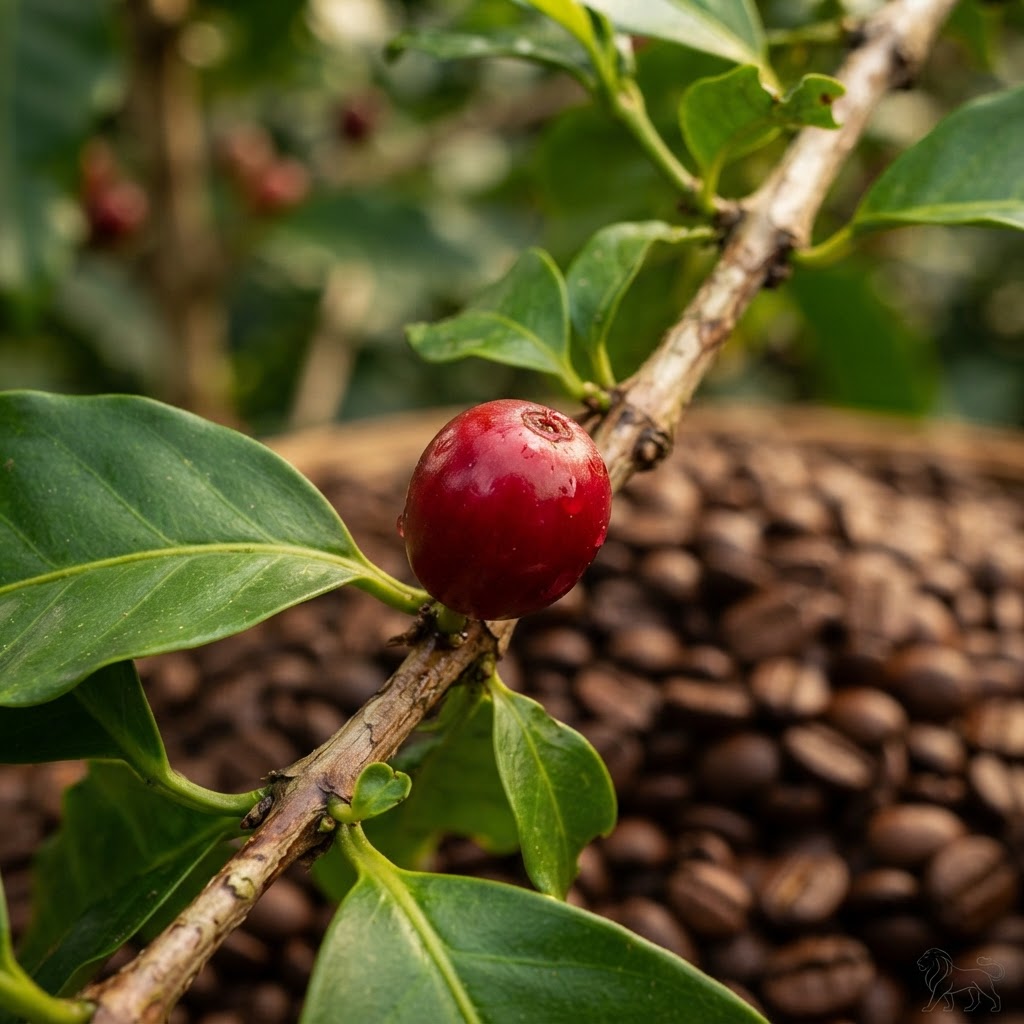
In many coffee-growing regions, farmers must care for coffee trees for several years before they yield a single cherry. This is not a quick-turnaround crop. It requires consistent pruning, soil management, and protection against pests and climate changes. For a smallholder farmer in countries like Ethiopia, the commitment is immense.
📜 History Note
Coffee trees typically take three to four years to reach their first harvest, requiring significant upfront investment from producers before they see any financial return.
Once the trees finally produce fruit, the harvesting process begins. In many specialty-focused regions, beans are hand-picked at peak ripeness. This is labor-intensive work, as pickers must traverse steep terrain and select only the cherries that have reached the perfect sugar levels.
The Global Effort of Supply
After the harvest, the work is only half finished. The coffee must be processed—either through a washed method, which uses water to remove the fruit, or a natural method, where the cherry is dried with the seed inside. This step is crucial for developing the flavor profile that makes specialty coffee unique.
Once processed, the green coffee is exported and imported across the globe. Finally, it arrives at the roastery. A skilled roaster does not just burn the beans; they study the density and moisture content to highlight the natural sweetness and acidity inherent in the bean. You can read more about industry standards and sustainability at the Specialty Coffee Association.
Learning to brew better coffee at home—mastering your grind size and extraction—is essentially a way to honor the people who handled that bean from start to finish. When you take the time to dial in your recipe, you are respecting the effort that went into the production.
💡 Did You Know?
The specialty coffee supply chain is built on long-term relationships, often involving direct trade models that prioritize quality and fair compensation for producers.
FAQ
Why does specialty coffee cost more than grocery store brands?
Specialty coffee prices reflect the labor-intensive practices of hand-harvesting, careful sorting, and precise processing. It also accounts for the higher premiums paid to farmers for their dedication to quality, as noted by the International Coffee Organization.
What is the most important part of the supply chain?
Every link is vital. However, the initial work of the farmer and harvester is the foundation. Without their commitment to picking at peak ripeness, the subsequent work of the roaster or home brewer cannot yield high-quality results.
How can I honor the process at home?
You can honor the process by being mindful of your brewing technique. Use fresh, quality water and learn how to adjust your grind size to get the best extraction yield from your specific beans. For deeper insights, my book, The Complete World of Coffee, covers these technical aspects in much greater detail.
Key Takeaways
- Appreciation of labor: Specialty coffee is the result of years of nurturing trees and delicate, manual harvesting.
- Global partnership: From farmers to roasters, the supply chain is a collaborative effort that relies on transparency and respect.
- Brewing as tribute: Improving your home brewing skills is a practical way to respect the quality provided by producers.
- Traceability matters: Knowing where your coffee comes from is a hallmark of the specialty movement.
Conclusion
Next time you brew a cup, take a moment to consider the journey that brought that coffee into your hands. By understanding the human stories behind the beans, we can develop a more meaningful relationship with our daily ritual.
Continue Exploring Coffee
If you enjoyed this article, you’ll find hundreds more pages covering coffee history, brewing science, roasting, processing, sustainability, and specialty coffee inside The Complete World of Coffee.
About Keith E. Lyons
Keith E. Lyons is the author of The Complete World of Coffee, an in-depth guide covering coffee history, science, roasting, brewing, processing, sustainability, and specialty coffee.
Join the Coffee Newsletter
Receive new coffee history articles, brewing guides, book updates, and specialty coffee insights delivered to your inbox.