Published: 2024-05-15 · 7 min read
Coffee as a Complex Fruit
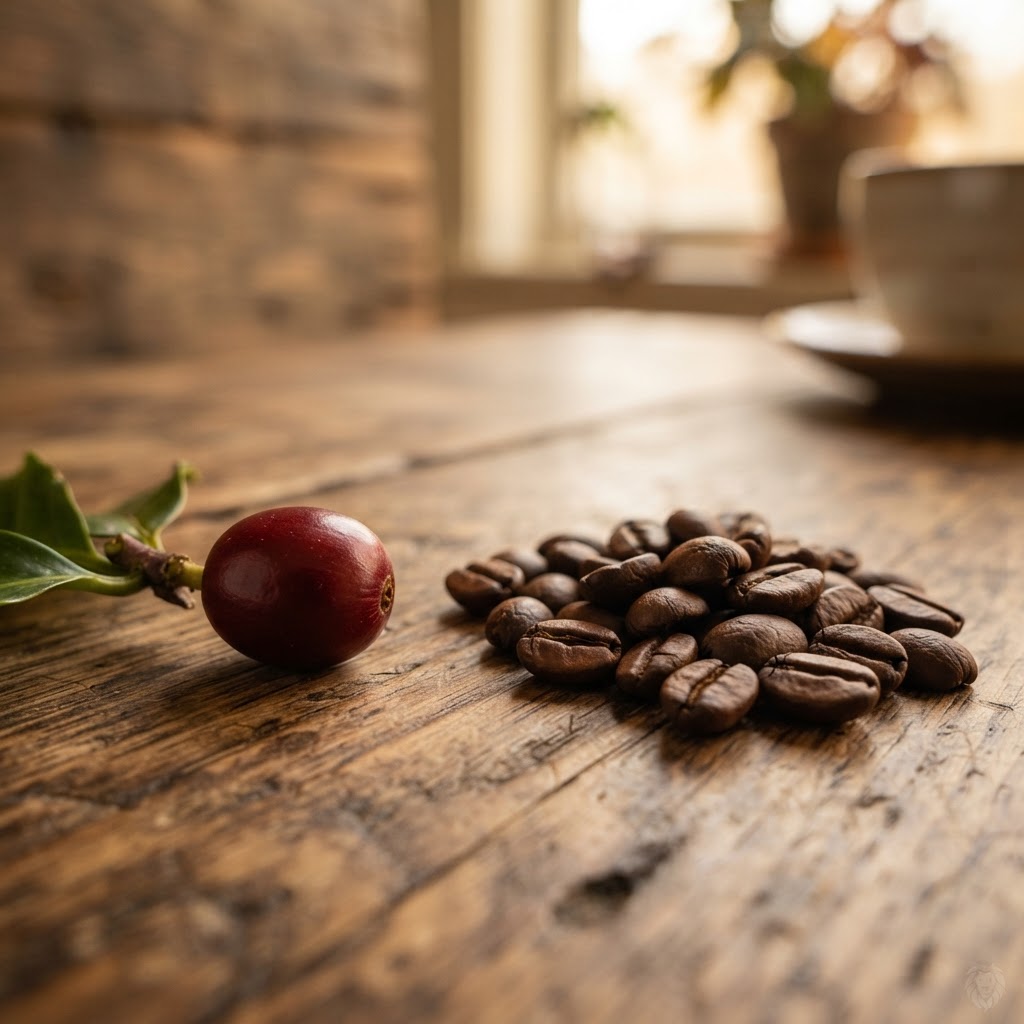
When you hold a bag of beans, it is easy to see coffee as just a generic product sitting on a grocery store shelf. However, if we peel back the layers, we find that coffee is actually the seed of a bright, vibrant fruit known as a coffee cherry. In the specialty world, we do not view these seeds as mere commodities. Instead, we treat them with the same respect as a fine wine grape or a specialized agricultural product. Learning what specialty coffee really means comes down to the strict grading and traceability standards that separate it from commercial-grade beans.
Specialty coffee is defined by its journey. From the moment the cherry is picked at peak ripeness to the final pour in your mug, every step is intentional. This process involves a long chain of dedicated people: farmers, millers, exporters, roasters, and brewers. When these hands work in harmony, the result is a cup that highlights the unique characteristics of where it was grown.
The Specialty Movement
At its heart, the specialty coffee movement is about shifting the focus from a quick caffeine fix to a meaningful experience. It pushes for transparency and sustainability, ensuring that the people who work the land are compensated fairly for their expertise. When you drink specialty coffee, you are essentially participating in an ethical conversation about how the global coffee supply chain should function.
☕ Coffee Fact
The coffee bean is botanically a seed found inside the fruit of the coffee plant, which belongs to the Rubiaceae family.
Understanding this movement requires looking at the extraction process. This is the act of pulling flavor out of the ground coffee using water. When the quality of the raw seed is high—what we call green coffee—the flavors are distinct, ranging from floral and fruity to chocolatey and nutty. If the seed is a lower-grade commodity, those delicate notes are often lost, leading to a flat or bitter taste that requires milk or sugar to mask.
Commodity vs. Specialty
To better understand the difference, consider how these products are evaluated in the market.
As noted in the Specialty Coffee Association, the standards for quality are rigorous. My book, The Complete World of Coffee, delves into these specific grading protocols in much greater depth, providing a roadmap for those who want to understand the science behind every cup.
🔬 Science Insight
The bloom is the rapid release of carbon dioxide that occurs when hot water first hits fresh coffee grounds, a sign that the beans are degassing properly.
FAQ
Is all high-quality coffee considered specialty?
Technically, specialty coffee refers to a specific score on a 100-point scale established by professional graders. If a coffee scores above 80 points, it generally meets the criteria for the specialty market.
Why does specialty coffee cost more?
The price reflects the ethical compensation paid to farmers and the higher costs associated with careful harvesting, processing, and small-batch roasting. You are paying for the story and the sustainability behind the bean.
How can I start enjoying specialty coffee at home?
Start by buying fresh, whole beans from a local roaster. Use a burr grinder to ensure a consistent grind size and pay attention to your water quality, as coffee is over 98% water.
Key Takeaways
- Quality is central: Specialty coffee treats the product as a complex fruit seed, not just a commodity.
- Human connection matters: The movement is built on transparency and ethical compensation for everyone in the supply chain.
- It is an experience: Specialty coffee is meant to be savored for its flavor profile, moving away from the purely utilitarian habit of drinking coffee only for caffeine.
- Sustainability is key: The industry focuses on long-term environmental and economic health for producing regions.
Conclusion
Choosing specialty coffee is a simple way to connect with the incredible work that goes into your morning ritual. By valuing the craft and the people behind the bean, you turn a simple daily habit into an informed and enjoyable pursuit. Dive deeper into these nuances by exploring the chapters of The Complete World of Coffee to refine your palate and your brewing technique.
Continue Exploring Coffee
If you enjoyed this article, you’ll find hundreds more pages covering coffee history, brewing science, roasting, processing, sustainability, and specialty coffee inside The Complete World of Coffee.
Join the Coffee Newsletter
Receive new coffee history articles, brewing guides, book updates, and specialty coffee insights delivered to your inbox.